
Apparel Exporters Urge Regulation of Cotton Yarn Exports
x
Indian apparel exporters appeal to Commerce Minister Piyush Goyal to regulate cotton yarn exports, citing soaring prices and impact on industry competitiveness.
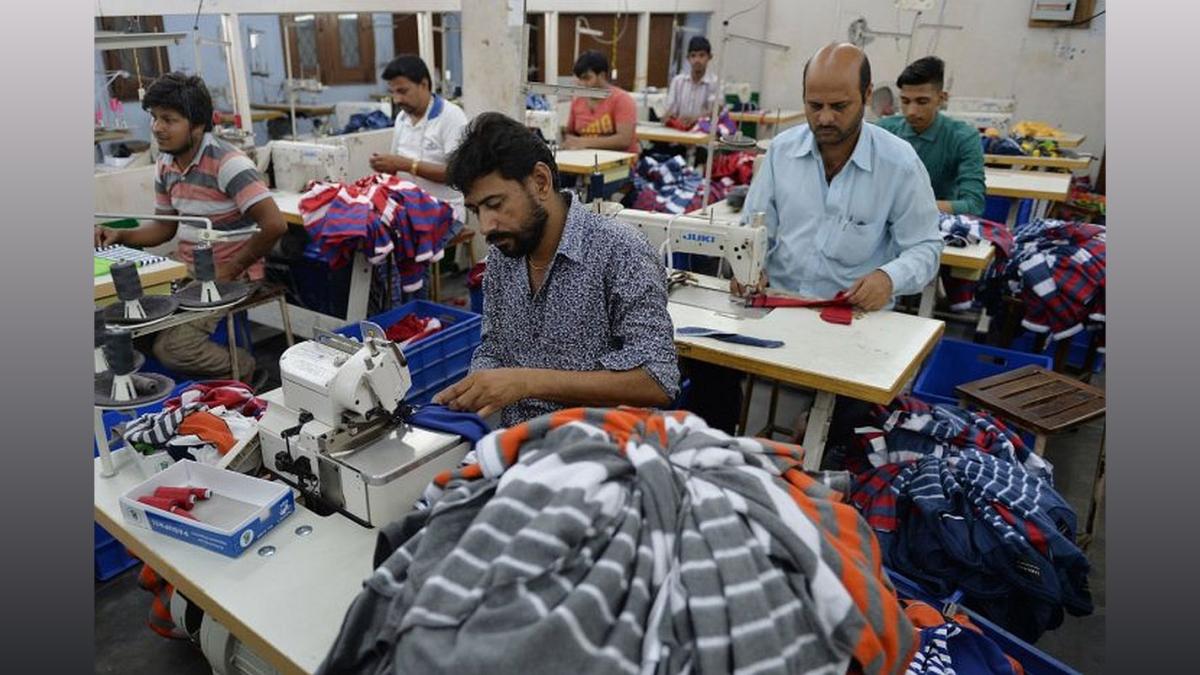
Photograph: PTI Photo
Key Points
- Apparel exporters urged the Commerce Minister to regulate cotton yarn exports due to rising prices.
- Cotton yarn prices have increased by 60%, impacting the competitiveness of India's apparel industry.
- Supply-side constraints, hoarding, and increased exports to other countries contribute to price hikes.
- Finished garments offer significantly higher value realization and employment potential compared to raw cotton or yarn.
Apparel Export Promotion Council (AEPC) Chairman A Sakthivel in a communication to the minister said rising prices of raw cotton and cotton yarn are increasing due to supply-side constraints.
The limited stock availability with ginners and reduced arrivals have resulted in mills relying increasingly on CCI (Cotton Corporation of India) auctions.
He said substantial quantity of cotton has moved from farmers to traders, contributing to hoarding and speculative practices in the market.
"AEPC has urged the minister to consider suitable measures to regulate the export of cotton yarn, particularly 20s count and above, in view of the sharp increase in yarn prices and the growing pressure on the competitiveness of India's apparel export industry," Sakthivel said.
Cotton yarn prices have increased around 60 per cent, from about Rs 250 per kg in early 2026 to around Rs 400 per kg currently, and it is increasing pressure on the apparel manufacturing value chain.
Rising costs of other raw materials and fuel are also aggravating the situation, he said.
The letter further highlights the increase in exports of Indian cotton and cotton yarn to apparel-producing countries such as Bangladesh and Vietnam, following restrictions by the US on the use of Chinese cotton under the Uyghur Forced Labor Prevention Act (UFLPA).
"This has added to the pressure on raw material prices across the garment value chain," he said, adding that higher apparel manufacturing costs are affecting the competitiveness of Indian apparel exporters at a time when opportunities are expanding in international markets, particularly in new FTA markets, such as the UK and New Zealand.
Sakthivel highlighted the substantially higher value realisation and employment potential associated with exports of finished garments compared with raw cotton and yarn.
The letter notes that raw cotton fetches about Rs 275 per kg, while cotton converted into yarn fetches around Rs 325 per kg. In comparison, a kilogram of garments, after value addition, can fetch between Rs 800 and Rs 1,200.
You May Like To Read





TODAY'S MOST TRADED COMPANIES
- Company Name
- Price
- Volume
- YES-Bank
- 18.15 ( -14.43)
- 40222557
- NMDC
- 70.92 ( -0.39)
- 18586310
- Motherson-Sumi-Wirin
- 34.99 (+ 3.15)
- 17988768
- PC-Jeweller
- 14.46 ( -0.07)
- 17423492
- Vodafone-Idea
- 12.57 ( -0.95)
- 16256425


