
Handloom Carbon Footprint Reduction: Book Unveiled
x
Textile Ministry & IIT Delhi release book on reducing handloom carbon footprint. Aims to boost sustainable exports & carbon trading.
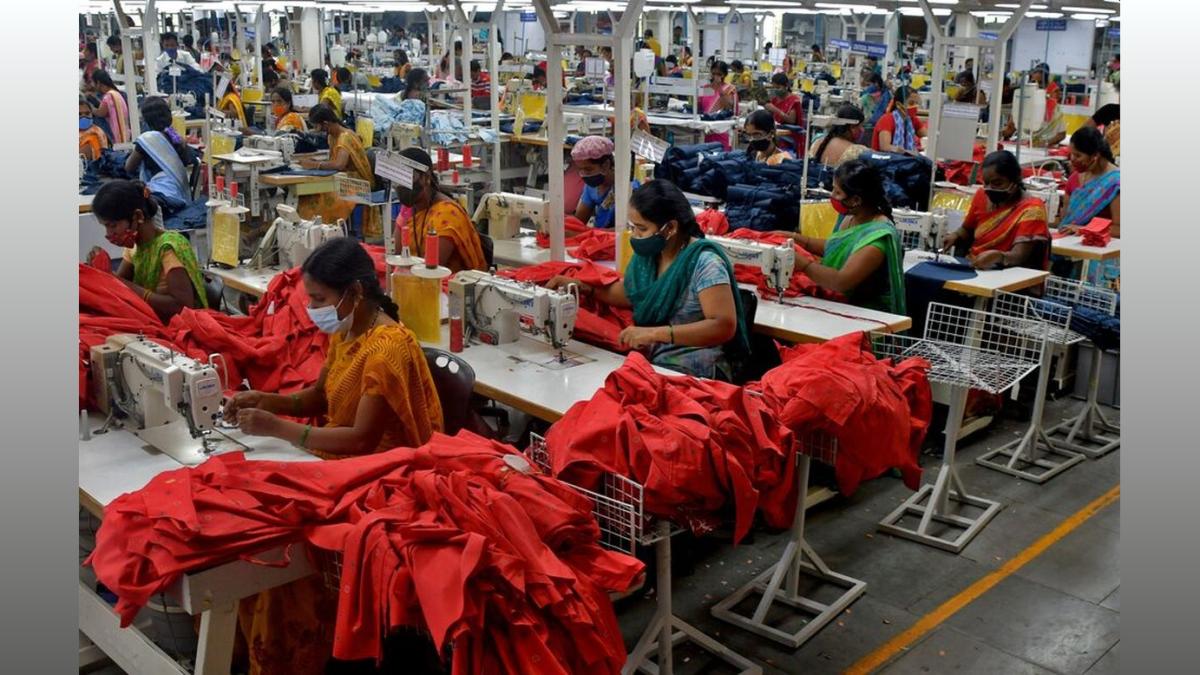
Photograph: Samuel Rajkumar/Reuters
New Delhi, Aug 6 (PTI) Union Textiles Minister Giriraj Singh on Wednesday released a book containing methodologies to measure and reduce the carbon footprint of the handloom industry based on case studies, a move which may help increase exports of sustainable handloom products from India in the future.
The book is part of an initiative aimed at promoting carbon trading in the sector to cut emissions, earn revenue, and help handloom artisans benefit financially from green practices in the future.
The Office of the Development Commissioner for Handlooms and Textile and Fibre Engineering department, IIT Delhi have collaborated on the book, which maps the carbon footprint of 11 products including Cotton Bedsheet, Floor Mat, Balramapuram Saree, Tangail Saree, Ikat Saree, Kullu Shawl, Banarasi Saree, Silk Dyeing Process, Ashawali Saree, Tasar Silk and Dharmavaram Saree.
"Out of the 17 parameters set by the United Nations for its Sustainable Development Goals (SDGs), by working on this alone, we are making efforts in the direction of achieving 10 out of the 17 SDG goals," the minister said.
"Real progress in sustainability requires measuring the carbon impact at every stage of textile production. Without quantifying data at each step, it is impossible to pinpoint areas for improvement or gauge the effectiveness of our actions," he added.
Secretary in the Ministry of Textiles Neelam Shami Rao said the methodologies outlined in the book can be adopted to reduce the carbon footprints. She said the Office of the Development Commissioner Handloom would organize the training of the clusters to calculate the carbon footprint of various handloom products.
"Now the idea is basically to make it sellable at some point of time that the carbon trading can be done, as far as this is concerned. Apart from the carbon trading part of it, a more sustainable product would find better markets, higher costs, and thus empower the handloom industry workers," she added.
Development Commissioner Handlooms M Beena said quantification of carbon footprint is significant from an export perspective because internationally, all countries are now insisting on sustainable fabric.
She added that more products have been identified which are in the pipeline to extend the carbon footprint assessment using the methodology outlined in the book.
The book is part of an initiative aimed at promoting carbon trading in the sector to cut emissions, earn revenue, and help handloom artisans benefit financially from green practices in the future.
The Office of the Development Commissioner for Handlooms and Textile and Fibre Engineering department, IIT Delhi have collaborated on the book, which maps the carbon footprint of 11 products including Cotton Bedsheet, Floor Mat, Balramapuram Saree, Tangail Saree, Ikat Saree, Kullu Shawl, Banarasi Saree, Silk Dyeing Process, Ashawali Saree, Tasar Silk and Dharmavaram Saree.
"Out of the 17 parameters set by the United Nations for its Sustainable Development Goals (SDGs), by working on this alone, we are making efforts in the direction of achieving 10 out of the 17 SDG goals," the minister said.
"Real progress in sustainability requires measuring the carbon impact at every stage of textile production. Without quantifying data at each step, it is impossible to pinpoint areas for improvement or gauge the effectiveness of our actions," he added.
Secretary in the Ministry of Textiles Neelam Shami Rao said the methodologies outlined in the book can be adopted to reduce the carbon footprints. She said the Office of the Development Commissioner Handloom would organize the training of the clusters to calculate the carbon footprint of various handloom products.
"Now the idea is basically to make it sellable at some point of time that the carbon trading can be done, as far as this is concerned. Apart from the carbon trading part of it, a more sustainable product would find better markets, higher costs, and thus empower the handloom industry workers," she added.
Development Commissioner Handlooms M Beena said quantification of carbon footprint is significant from an export perspective because internationally, all countries are now insisting on sustainable fabric.
She added that more products have been identified which are in the pipeline to extend the carbon footprint assessment using the methodology outlined in the book.
You May Like To Read





TODAY'S MOST TRADED COMPANIES
- Company Name
- Price
- Volume
- Vodafone-Idea
- 11.36 ( -2.49)
- 94664837
- AvanceTechnologies
- 1.16 (+ 4.50)
- 34522155
- Sunshine-Capital
- 0.26 ( -3.70)
- 29015901
- Alstone-Textiles
- 0.27 ( -3.57)
- 28695959
- Mehai-Technology
- 1.65 ( -4.62)
- 28262795
MORE NEWS


 © 2025 Rediff.com India Limited. All rights reserved. Disclaimer - Terms of Service - Privacy Policy - Feedback