
Plastic Pollution Treaty Talks End Without Agreement
x
International talks for a global treaty to curb plastic pollution end without agreement in Geneva. Key issues: plastic production limits, recycling.
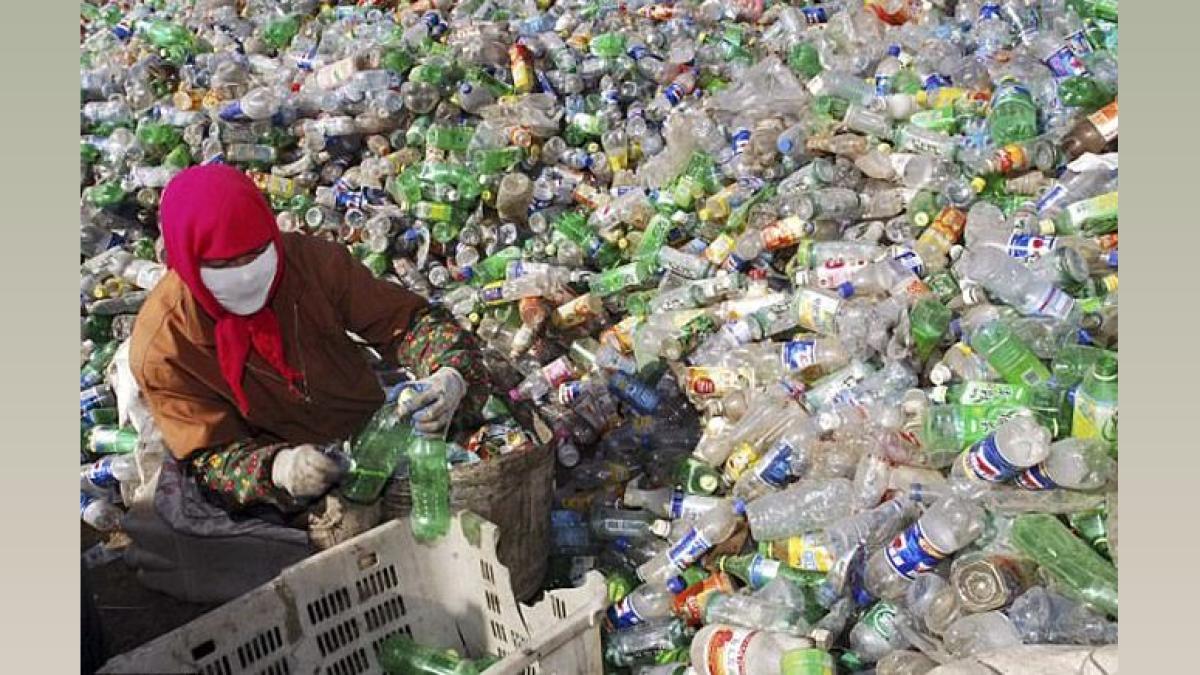
New Delhi, Aug 15 (PTI) Countries on Friday failed to reach an agreement during the fifth round of international talks in Geneva that could have led to the first-ever global treaty to curb plastic pollution.
Governments negotiating the treaty were presented with a new draft on Thursday that omitted binding limits on plastic production, a gap that drew sharp criticism from many nations.
Negotiators from 185 countries spent the night at the UN headquarters in the Swiss city, trying to find common ground between those calling for bold action, such as curbing plastic production, and fossil fuel-producing states that want any treaty to focus on recycling, waste management and voluntary commitments.
However, the talks, which began on August 5, ended without an agreement, despite running into overtime.
The fifth round of negotiations on the plastics treaty (INC-5.2) in Geneva was part of efforts launched in 2022 to address what the United Nations calls a "plastic pollution crisis" that threatens oceans, wildlife, human health and the climate.
Scientists estimate that more than 430 million tonnes of plastic are produced each year, much of it in the form of short-lived products that become waste within months. Around 11 million tonnes enter the ocean annually.
The INC talks were seen as the most ambitious global effort yet to address plastic pollution in a comprehensive manner.
The process aimed to tackle the issue from the extraction of raw materials through manufacturing, use and disposal, an approach that campaigners say is essential to prevent further environmental and health harm.
However, deep divisions had emerged. A coalition of more than 60 "high-ambition" countries, including many from Africa, the Pacific and Europe, pushed for binding global measures to cap production, phase out problematic plastics and eliminate hazardous chemicals.
On the other side, major oil and petrochemical producers, along with some manufacturing nations, resisted limits on production and preferred nationally-determined actions focussed on recycling, waste management and voluntary commitments.
Governments negotiating the treaty were presented with a new draft on Thursday that omitted binding limits on plastic production, a gap that drew sharp criticism from many nations.
Negotiators from 185 countries spent the night at the UN headquarters in the Swiss city, trying to find common ground between those calling for bold action, such as curbing plastic production, and fossil fuel-producing states that want any treaty to focus on recycling, waste management and voluntary commitments.
However, the talks, which began on August 5, ended without an agreement, despite running into overtime.
The fifth round of negotiations on the plastics treaty (INC-5.2) in Geneva was part of efforts launched in 2022 to address what the United Nations calls a "plastic pollution crisis" that threatens oceans, wildlife, human health and the climate.
Scientists estimate that more than 430 million tonnes of plastic are produced each year, much of it in the form of short-lived products that become waste within months. Around 11 million tonnes enter the ocean annually.
The INC talks were seen as the most ambitious global effort yet to address plastic pollution in a comprehensive manner.
The process aimed to tackle the issue from the extraction of raw materials through manufacturing, use and disposal, an approach that campaigners say is essential to prevent further environmental and health harm.
However, deep divisions had emerged. A coalition of more than 60 "high-ambition" countries, including many from Africa, the Pacific and Europe, pushed for binding global measures to cap production, phase out problematic plastics and eliminate hazardous chemicals.
On the other side, major oil and petrochemical producers, along with some manufacturing nations, resisted limits on production and preferred nationally-determined actions focussed on recycling, waste management and voluntary commitments.
You May Like To Read




TODAY'S MOST TRADED COMPANIES
- Company Name
- Price
- Volume
- Vodafone-Idea-L
- 11.65 (+ 3.56)
- 106772451
- Alstone-Textiles
- 0.28 ( -3.45)
- 44187760
- Mangalam-Industrial
- 0.88 ( -2.22)
- 39177573
- Sunshine-Capital
- 0.27 (+ 3.85)
- 35956340
- GMR-Airports
- 104.40 (+ 6.37)
- 30453005
MORE NEWS

 © 2025 Rediff.com India Limited. All rights reserved. Disclaimer - Terms of Service - Privacy Policy - Feedback