
SEBI Concerns: Derivatives Frenzy & Equity Market Depth
x
SEBI raises concerns over ultra-short-term derivatives dominance, impacting India's capital market health. Focus shifts to deepening equity markets and promoting responsible investing.
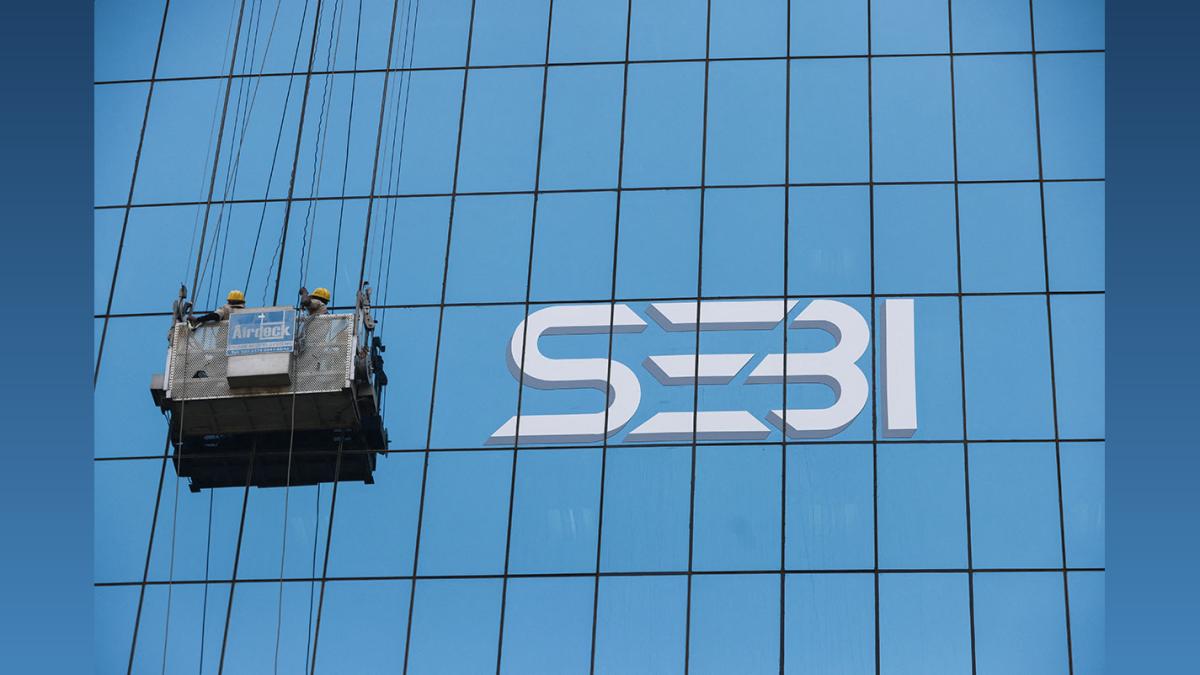
Photograph: Francis Mascarenhas/Reuters
Kolkata, Jul 17 (PTI) SEBI on Thursday expressed concern over the growing dominance of ultra-short-term derivatives trading, cautioning that such trends could undermine the health of India's capital markets, while contemplating steps to extend the tenure and maturity of these products.
Very short-term derivatives continue to dominate equity derivative volumes, especially expiry-day index options. This is an imbalance that is obviously unhealthy and may have potential for adverse consequences," said SEBI Whole-Time Member Ananth Narayan.
He was addressing the 11th Capital Markets Conclave organised by the CII.
"I would strongly endorse the view that, towards this end, we must look for ways to further deepen our cash equities markets, even as we look to improve the quality of our derivatives market by extending the tenure and maturity of the products and solutions on offer. We need constructive engagement from all stakeholders to achieve this," he said.
Citing the market regulator's own research, Narayan pointed out that 91 per cent of individual traders in futures and options (F&O) incurred net losses in FY25 - collectively losing over Rs 1 lakh crore - funds that could otherwise contribute to responsible investing and capital formation.
He highlighted that the Indian derivatives market is unique, with expiry-day index option turnover often exceeding the cash market by as much as 350 times.
Unlike longer-term derivatives, these short-term products contribute little to capital formation and may actually add to market volatility, Narayan said.
While acknowledging that exchanges, brokers, and other intermediaries have significant revenue dependence on such trading volumes, the SEBI official questioned the sustainability of this trend.
Is all this at all sustainable? he asked.
SEBI has already introduced regulatory measures in October 2024 and May 2025 aimed at curbing excesses in this space, which Narayan said are showing some early signs of moderation. However, he emphasised the need for continuous engagement with stakeholders to ensure that both capital formation and market health are protected.
We must look for ways to deepen our cash equities markets while improving the quality of derivatives through longer-tenure products, Narayan said, urging industry collaboration.
Responding to a question, he underscored the advantages of listing, particularly in the current environment where valuations are very, very attractive.
Going public can unlock substantial value and enable companies to raise capital in a very meaningful manner, acting as a force multiplier for achieving scale and growth.
SEBI is working to boost participation and innovation across asset classes by enhancing transparency in corporate bonds, InvITs, REITs, municipal bonds, and expanding commodity derivatives.
It has urged all stakeholders to support these efforts.
Narayan underscored that preserving trust is the key ingredient for healthy capital markets.
Our funds ecosystem has grown significantly with substantial growth in both issuances and investments. Something good is underway around capital formation, he noted.
However, he warned that unchecked speculation, governance failures, technology lapses, market manipulation, or flawed market design (Type I errors) could destroy investor trust and kill the goose that is laying golden eggs.
At the same time, he cautioned against over-regulation (Type II errors) that might stifle legitimate business or capital formation.
We in SEBI look at both risks very closely and undertake extensive consultations to minimise both together, he assured.
Narayan urged exchanges, clearing corporations, and depositories to maintain strong operational resilience and risk management while balancing commercial interests with public trust.
He also called upon intermediaries and industry players to act as trusted advisors.
When you see something wrong, please say something. And when you seek regulatory relief, please engage with us openly on how risks of potential Type I errors will be mitigated, he said.
Narayan also emphasised that compliance with disclosure and governance standards associated with being a listed entity enhances long-term sustainability, likening transparency to sunlight being the best disinfectant.
He expressed a personal hope to see more micro, small, and medium enterprises (MSMEs) list and grow into large national champions, though he reiterated that the choice ultimately rests with promoters.
Very short-term derivatives continue to dominate equity derivative volumes, especially expiry-day index options. This is an imbalance that is obviously unhealthy and may have potential for adverse consequences," said SEBI Whole-Time Member Ananth Narayan.
He was addressing the 11th Capital Markets Conclave organised by the CII.
"I would strongly endorse the view that, towards this end, we must look for ways to further deepen our cash equities markets, even as we look to improve the quality of our derivatives market by extending the tenure and maturity of the products and solutions on offer. We need constructive engagement from all stakeholders to achieve this," he said.
Citing the market regulator's own research, Narayan pointed out that 91 per cent of individual traders in futures and options (F&O) incurred net losses in FY25 - collectively losing over Rs 1 lakh crore - funds that could otherwise contribute to responsible investing and capital formation.
He highlighted that the Indian derivatives market is unique, with expiry-day index option turnover often exceeding the cash market by as much as 350 times.
Unlike longer-term derivatives, these short-term products contribute little to capital formation and may actually add to market volatility, Narayan said.
While acknowledging that exchanges, brokers, and other intermediaries have significant revenue dependence on such trading volumes, the SEBI official questioned the sustainability of this trend.
Is all this at all sustainable? he asked.
SEBI has already introduced regulatory measures in October 2024 and May 2025 aimed at curbing excesses in this space, which Narayan said are showing some early signs of moderation. However, he emphasised the need for continuous engagement with stakeholders to ensure that both capital formation and market health are protected.
We must look for ways to deepen our cash equities markets while improving the quality of derivatives through longer-tenure products, Narayan said, urging industry collaboration.
Responding to a question, he underscored the advantages of listing, particularly in the current environment where valuations are very, very attractive.
Going public can unlock substantial value and enable companies to raise capital in a very meaningful manner, acting as a force multiplier for achieving scale and growth.
SEBI is working to boost participation and innovation across asset classes by enhancing transparency in corporate bonds, InvITs, REITs, municipal bonds, and expanding commodity derivatives.
It has urged all stakeholders to support these efforts.
Narayan underscored that preserving trust is the key ingredient for healthy capital markets.
Our funds ecosystem has grown significantly with substantial growth in both issuances and investments. Something good is underway around capital formation, he noted.
However, he warned that unchecked speculation, governance failures, technology lapses, market manipulation, or flawed market design (Type I errors) could destroy investor trust and kill the goose that is laying golden eggs.
At the same time, he cautioned against over-regulation (Type II errors) that might stifle legitimate business or capital formation.
We in SEBI look at both risks very closely and undertake extensive consultations to minimise both together, he assured.
Narayan urged exchanges, clearing corporations, and depositories to maintain strong operational resilience and risk management while balancing commercial interests with public trust.
He also called upon intermediaries and industry players to act as trusted advisors.
When you see something wrong, please say something. And when you seek regulatory relief, please engage with us openly on how risks of potential Type I errors will be mitigated, he said.
Narayan also emphasised that compliance with disclosure and governance standards associated with being a listed entity enhances long-term sustainability, likening transparency to sunlight being the best disinfectant.
He expressed a personal hope to see more micro, small, and medium enterprises (MSMEs) list and grow into large national champions, though he reiterated that the choice ultimately rests with promoters.
You May Like To Read




TODAY'S MOST TRADED COMPANIES
- Company Name
- Price
- Volume
- Vodafone-Idea
- 11.36 ( -2.49)
- 94664837
- AvanceTechnologies
- 1.16 (+ 4.50)
- 34522155
- Sunshine-Capital
- 0.26 ( -3.70)
- 29015901
- Alstone-Textiles
- 0.27 ( -3.57)
- 28695959
- Mehai-Technology
- 1.65 ( -4.62)
- 28262795
MORE NEWS


 © 2025 Rediff.com India Limited. All rights reserved. Disclaimer - Terms of Service - Privacy Policy - Feedback