
India Infrastructure: Resilience Measures Lacking
x
Report: India's road, railway, power sectors lack resilience measures in policies. Disaster resilience is crucial for public finances.
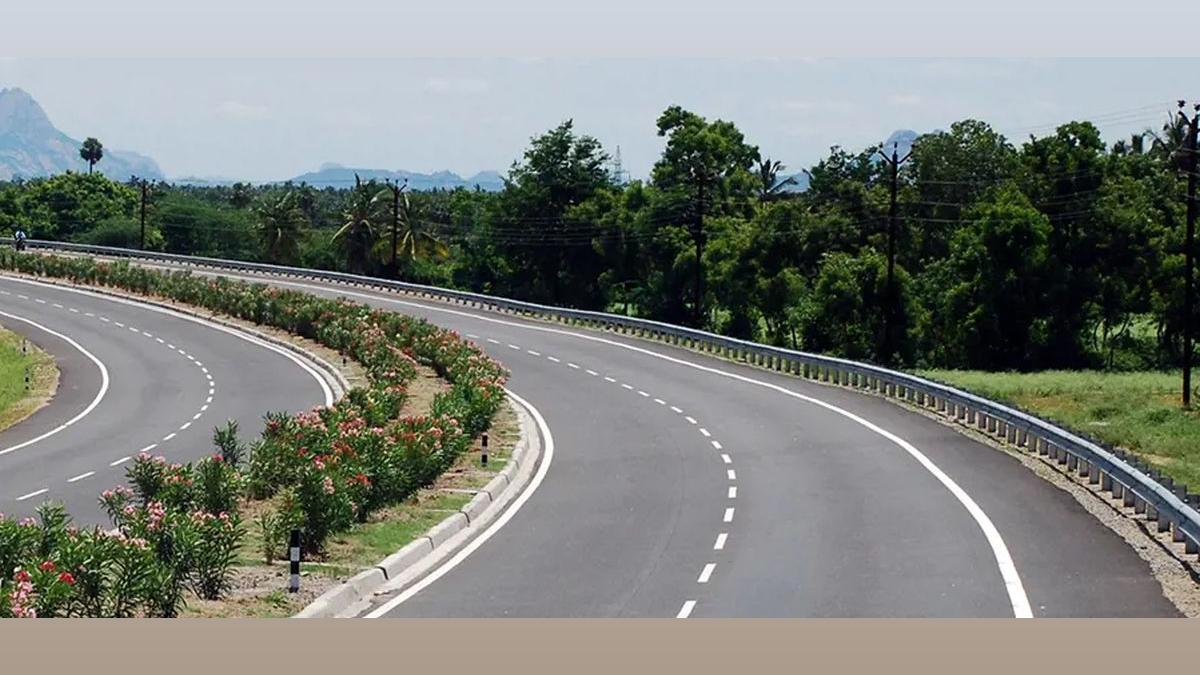
Photograph: Kind courtesy Larsen and Toubro Limited
New Delhi, Apr 22 (PTI) India's road, railway and power sectors lack resilience measures in existing sectoral policies and standard contractual documents, according to a new report.
This is an issue, as the world, including India, currently faces significant fiscal threat from climate and disaster risks, with global infrastructure losses estimated at USD 845 billion annually and actual losses far higher, the analysis has pointed out.
The report, "Mainstreaming Disaster Resilience into Infrastructure Projects in India", prepared by the Coalition for Disaster Resilient Infrastructure (CDRI) was released on Wednesday.
In a statement, Amit Prothi, director general at the CDRI, said, "Disaster resilience is about protecting public finances and securing development gains. Investing in resilient infrastructure today reduces fiscal shocks tomorrow and is one of the smartest investments governments can make."
The report has identified five key gap areas in the roads, railways and power sectors. These are: gaps in standard contractual documents, gaps across the project life cycle, gaps in data and risk-assessment systems, gaps in capacity and gaps in financing and risk coverage.
For instance, the analysis has found that in standard contractual documents, there is a lack of disaster-management standard operating procedures and limited resilience consideration within sectoral policies.
The report has also highlighted that there is no provision to ensure resilience within project stages and no reference to hazard impacts and resilience in authority and concessionaire obligations.
Also, resilience financing is missing in maintenance contracts and there are limited provisions for insurance and reinsurance for disaster risks in the area of financing and risk coverage, according to the report.
To tackle these issues, the report has recommended embedding resilience clauses in contracts, integrating disaster-risk assessments across the project life cycle, strengthening hazard-data systems, building institutional capacity and the creation of innovative financing mechanisms.
This is an issue, as the world, including India, currently faces significant fiscal threat from climate and disaster risks, with global infrastructure losses estimated at USD 845 billion annually and actual losses far higher, the analysis has pointed out.
The report, "Mainstreaming Disaster Resilience into Infrastructure Projects in India", prepared by the Coalition for Disaster Resilient Infrastructure (CDRI) was released on Wednesday.
In a statement, Amit Prothi, director general at the CDRI, said, "Disaster resilience is about protecting public finances and securing development gains. Investing in resilient infrastructure today reduces fiscal shocks tomorrow and is one of the smartest investments governments can make."
The report has identified five key gap areas in the roads, railways and power sectors. These are: gaps in standard contractual documents, gaps across the project life cycle, gaps in data and risk-assessment systems, gaps in capacity and gaps in financing and risk coverage.
For instance, the analysis has found that in standard contractual documents, there is a lack of disaster-management standard operating procedures and limited resilience consideration within sectoral policies.
The report has also highlighted that there is no provision to ensure resilience within project stages and no reference to hazard impacts and resilience in authority and concessionaire obligations.
Also, resilience financing is missing in maintenance contracts and there are limited provisions for insurance and reinsurance for disaster risks in the area of financing and risk coverage, according to the report.
To tackle these issues, the report has recommended embedding resilience clauses in contracts, integrating disaster-risk assessments across the project life cycle, strengthening hazard-data systems, building institutional capacity and the creation of innovative financing mechanisms.
You May Like To Read





TODAY'S MOST TRADED COMPANIES
- Company Name
- Price
- Volume
- Vodafone-Idea
- 13.74 (+ 0.88)
- 47924284
- One97-Communications
- 1,112.50 ( -3.70)
- 8884209
- Pulsar-Intl
- 0.63 ( -4.55)
- 8032968
- NHC-Foods
- 1.13 ( 0.00)
- 7593711
- NHC-Foods
- 1.13 ( 0.00)
- 7593711
MORE NEWS

 © 2026 Rediff.com India Limited. All rights reserved. Disclaimer - Terms of Service - Privacy Policy - Feedback